
The choice of millwork defines the architectural integrity of a custom luxury estate. Among the premium hardwoods preferred by custom home builders, architects, and high-end developers across the United States, Canada, and Europe, White Oak and Red Oak remain unmatched in their structural stability and timeless organic grain patterns. However, harvesting the raw timber is only half the battle. The true artistry—and the element that dictates the entire interior mood—lies in selecting the perfect oak cabinet stain colors. A common pain point for global property developers and luxury homeowners when sourcing factory-direct cabinetry is predicting how a specific chemical stain or pigment will react with the natural wood undertones under complex indoor lighting conditions.
At CustomCabinetryFactory.com, we leverage our massive manufacturing scale and a legacy of over 11,500 successfully executed whole-house customization projects globally to eliminate this uncertainty. Ordering custom wood cabinets from an overseas specialist shouldn’t feel like a gamble. By utilizing state-of-the-art clear-coat technology, precision grain matching, and non-yellowing Italian polyurethane or oil finishes, our factory transforms standard raw slabs into exquisite architectural statements. Whether your project demands contemporary minimalist stained white oak kitchen cabinets or a warmer, traditional transitional layout, this comprehensive gallery showcase provides the ultimate professional roadmap to mastering wood finishes.
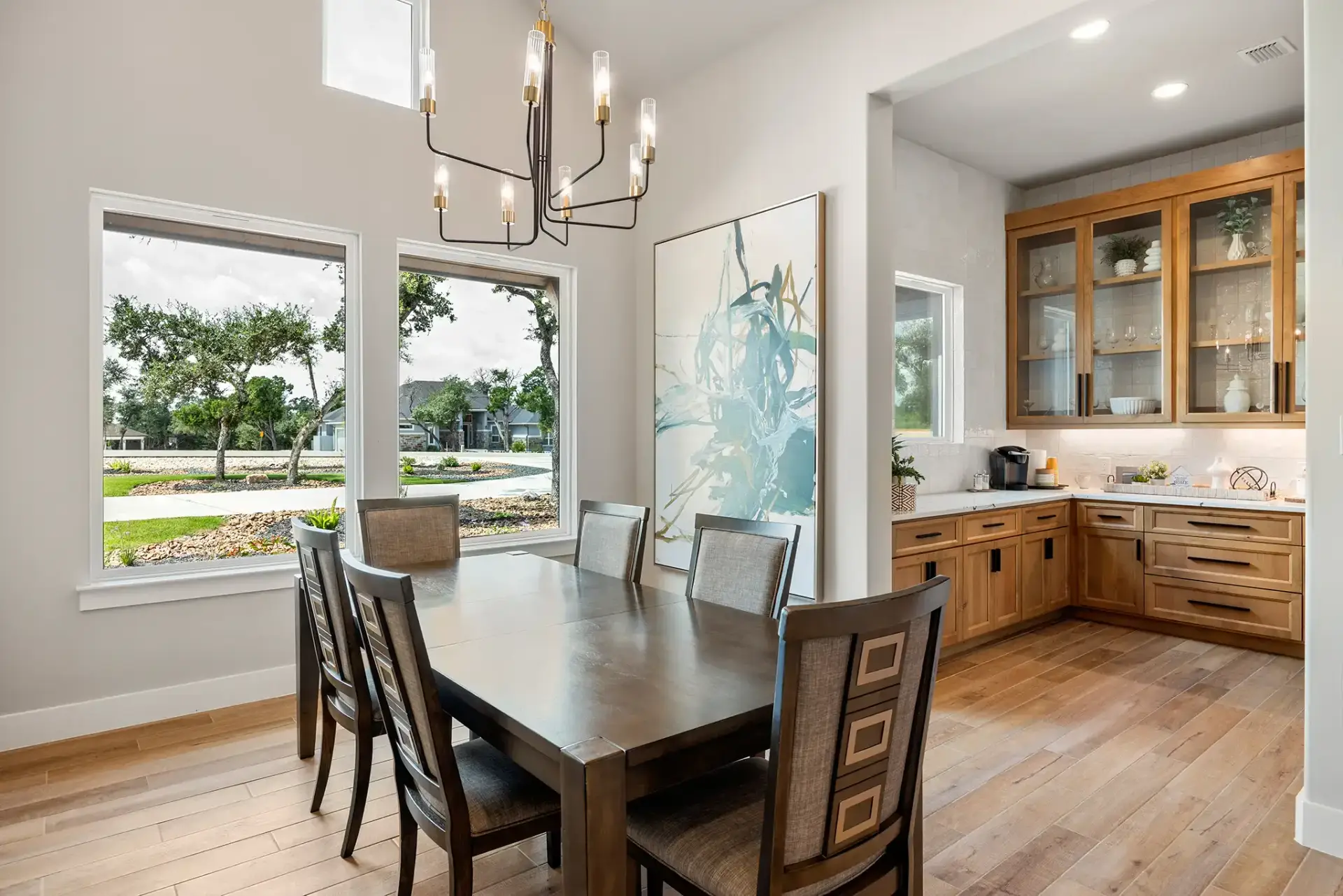
Deciphering the Palette: The Science Behind White Oak Cabinet Stain Selections
Unlike synthetic laminates or painted MDF, solid wood and premium wood veneers possess rich, living undertones. White Oak naturally carries subtle tan, cream, and sometimes gray-green undertones, whereas Red Oak carries a pinkish-amber base. When developers are looking for a high-end white oak cabinet stain, the goal is typically to preserve the signature linear flitch or rift-sawn grain patterns while neutralizing any unwanted brassy or yellowing tendencies over time.
The Most Sought-After White Oak Cabinet Stain Colors in Contemporary Architecture
In modern North American custom home construction—spanning from luxury modern farmhouses in Texas to minimalist multi-family penthouses in New York and California—clients are moving away from dark, opaque pigments. The focus has shifted drastically toward natural, low-sheen finishes. Understanding the nuances of white oak cabinet stain colors is essential to achieving that coveted, ultra-premium look:
Key Finish Profiles for Modern White Oak Millwork
- The Natural / Clear Look: Utilizing a trace percentage of white pigment mixed into a dead-flat matte clear coat to offset the ambering effect that occurs when wood is wetted by protective finishes.
- Weathered / Driftwood Grays: Applying a reactive stain that mimics natural oxidation, creating a sophisticated gray-washed aesthetic perfectly suited for coastal estates in California or Florida.
- Cerused / Limed Finishes: A specialized European technique where a contrasting white pigment is rubbed into the deep, open pores of wire-brushed oak, accentuating the grain pattern while keeping the overall tone bright and expansive.
Maximizing Harmony: Designing Around Stained Oak Kitchen Cabinets
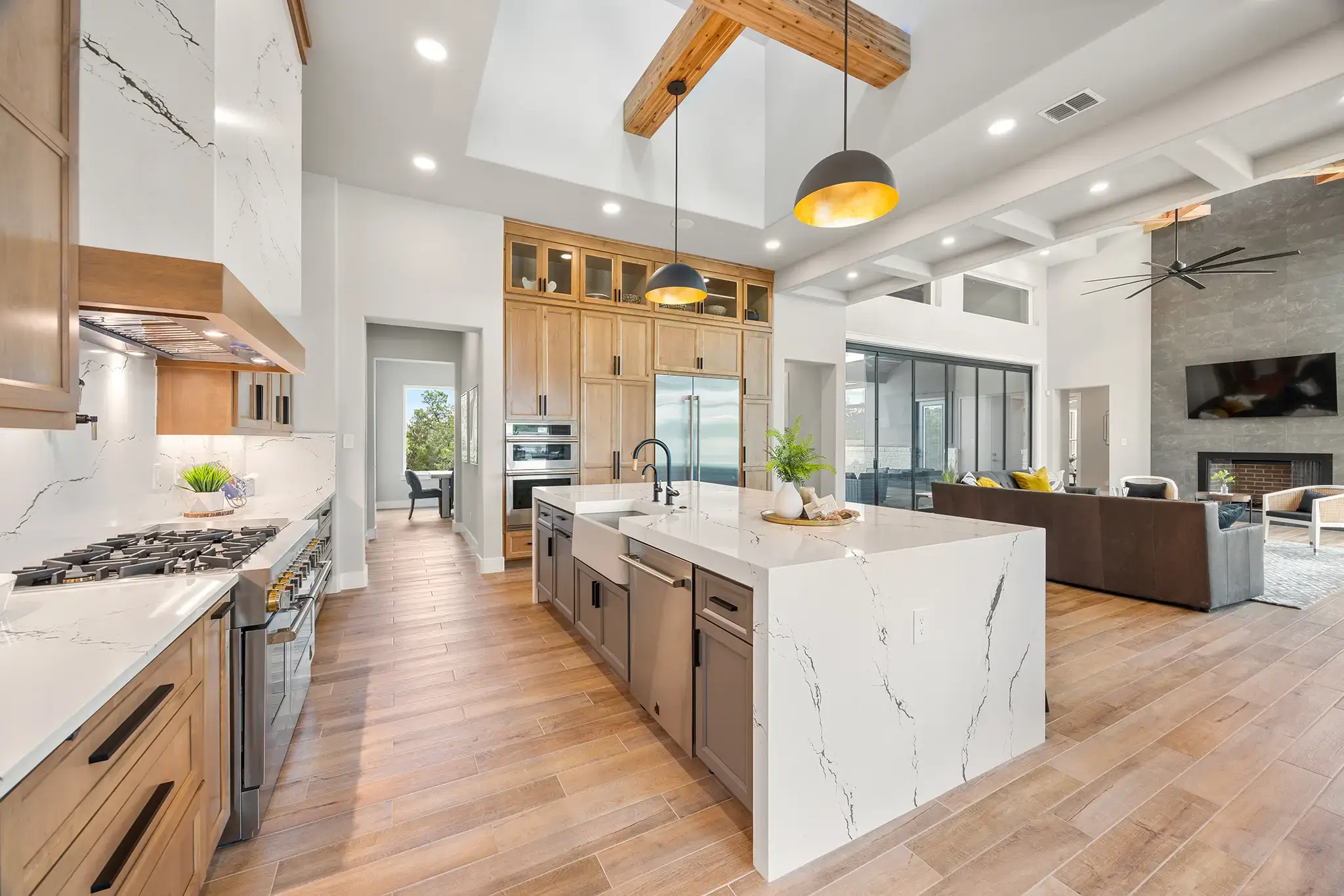
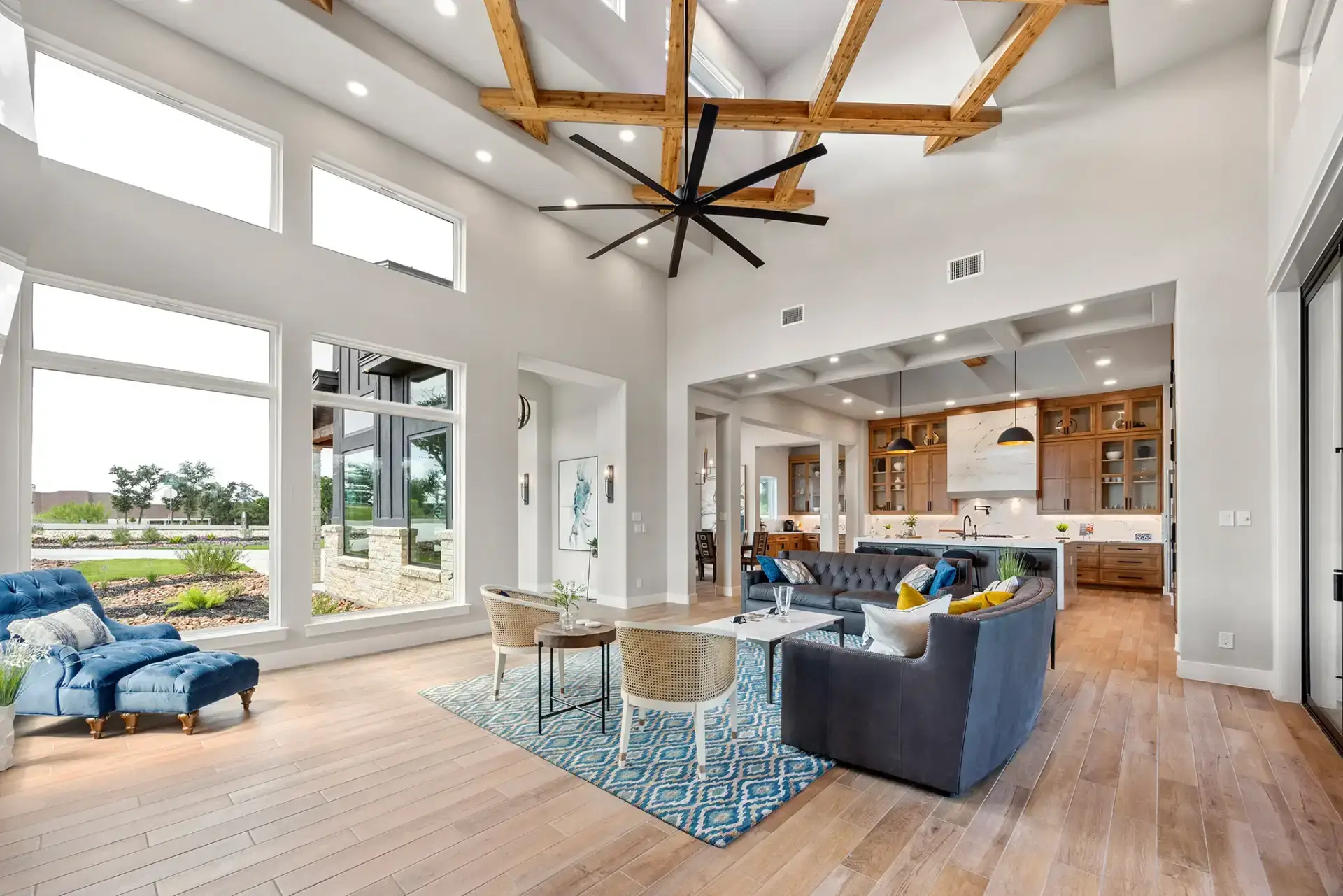
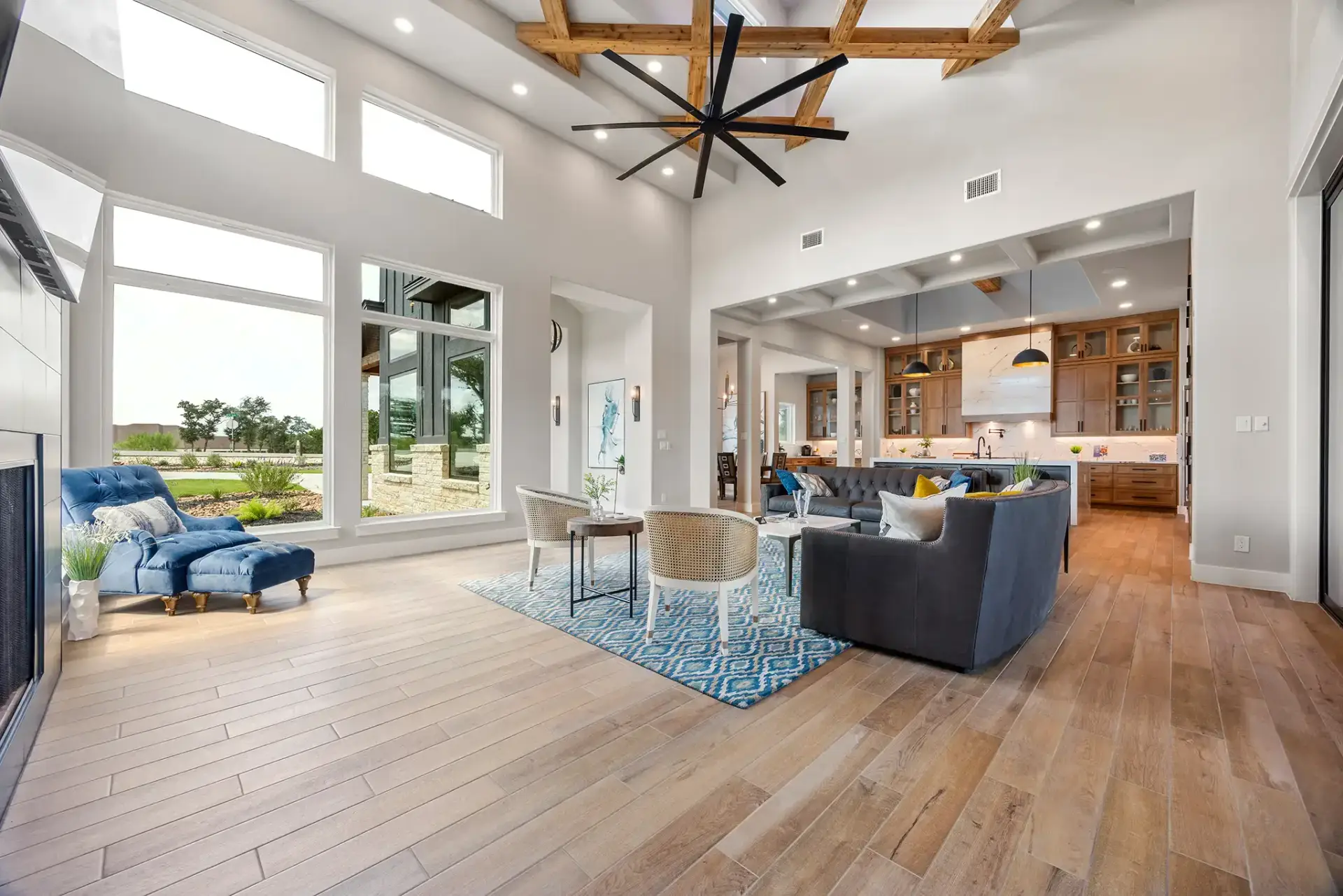
One of the greatest challenges an interior designer faces when specifying stained oak kitchen cabinets is ensuring visual continuity across a wide, open-concept floor plan. If the cabinetry stain color clashes with the hardwood flooring, timber ceiling beams, or natural quartz countertops, the entire multi-million dollar space can feel restricted and disjointed. Our custom manufacturing facility provides fully coordinated material mock-ups, allowing builders to evaluate their custom wood paneling alongside physical floor tiles and wall samples before production begins.
Master Class: Selecting Kitchen Cabinet Stain Colors on Oak for Open-Plan Layouts
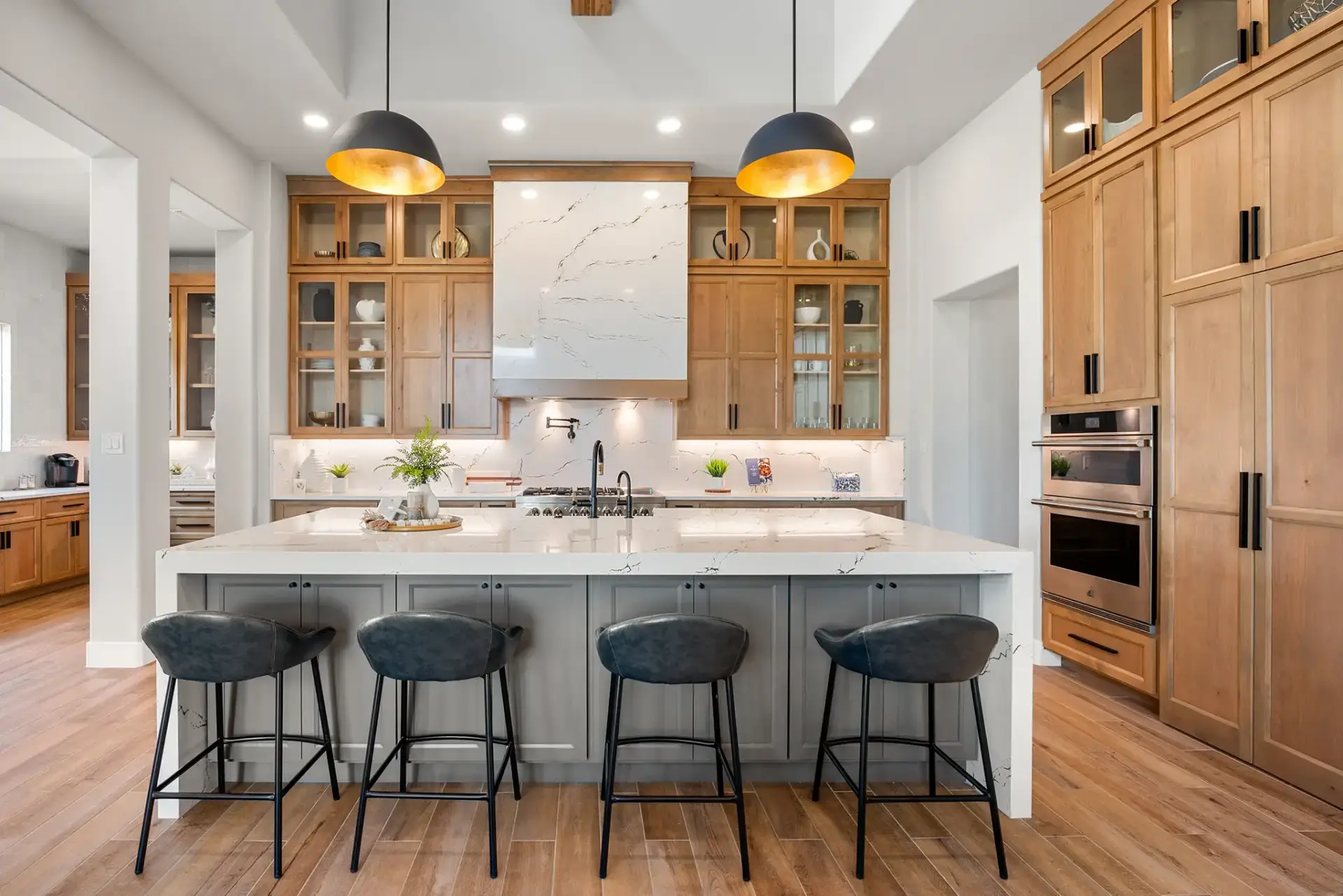
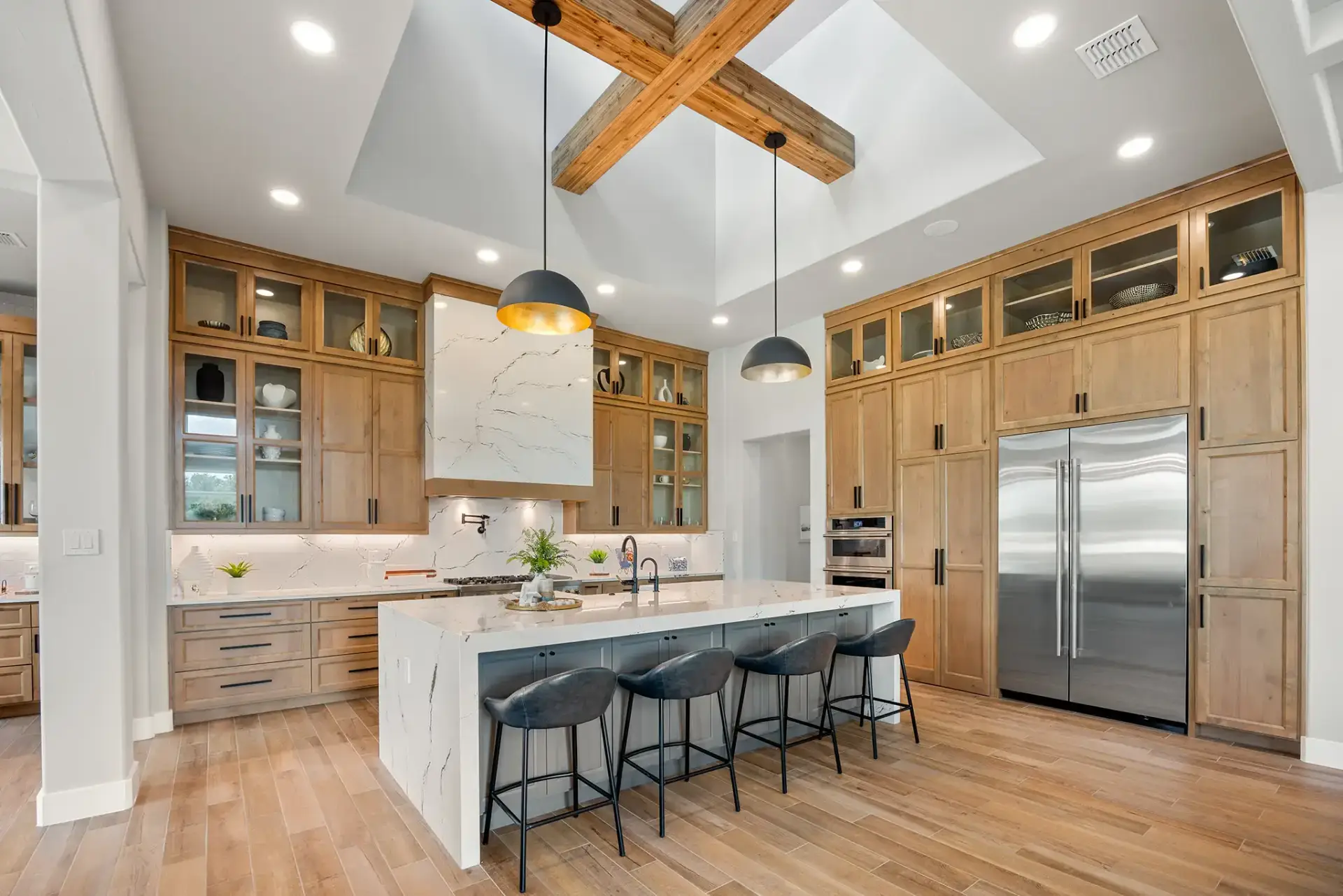
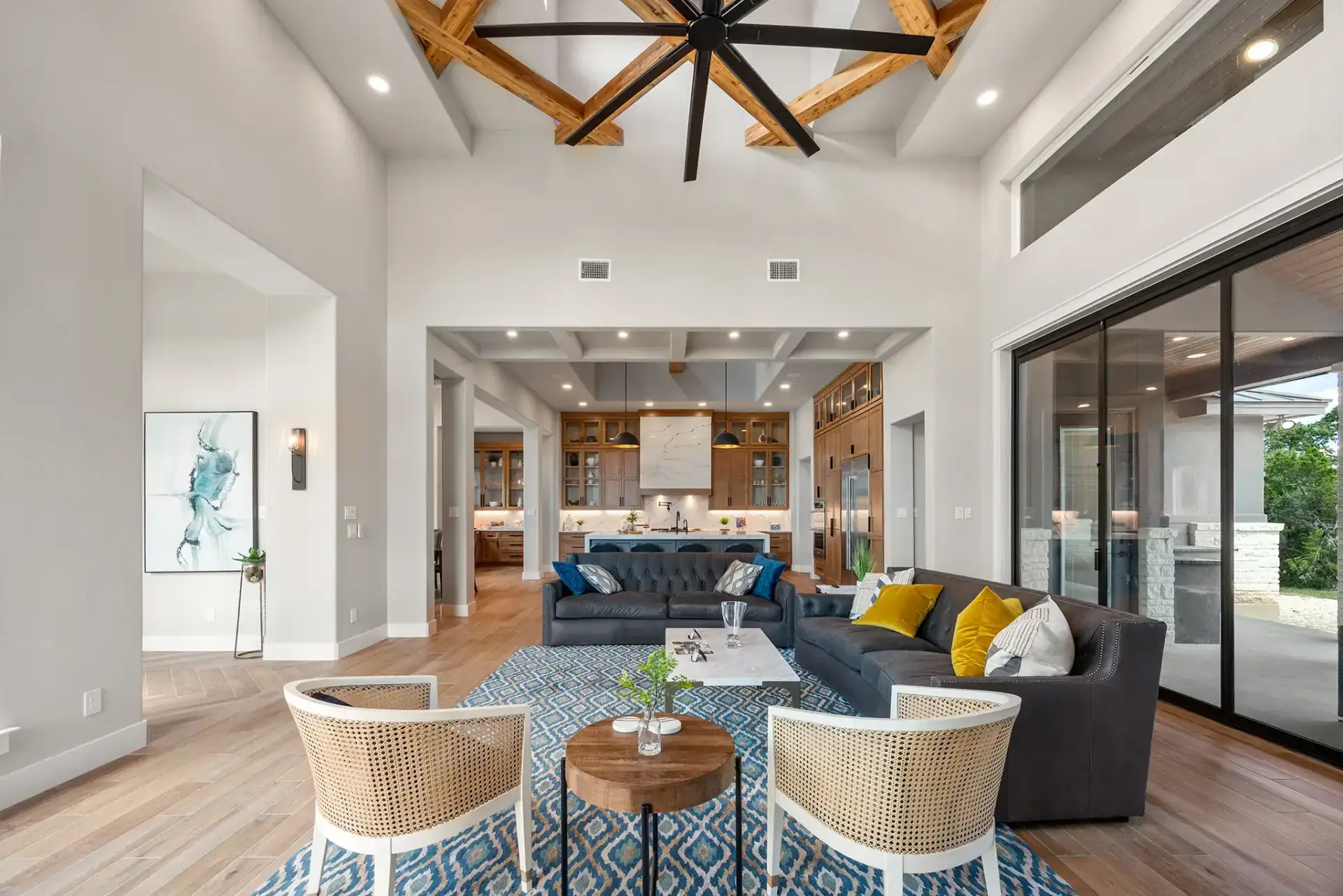
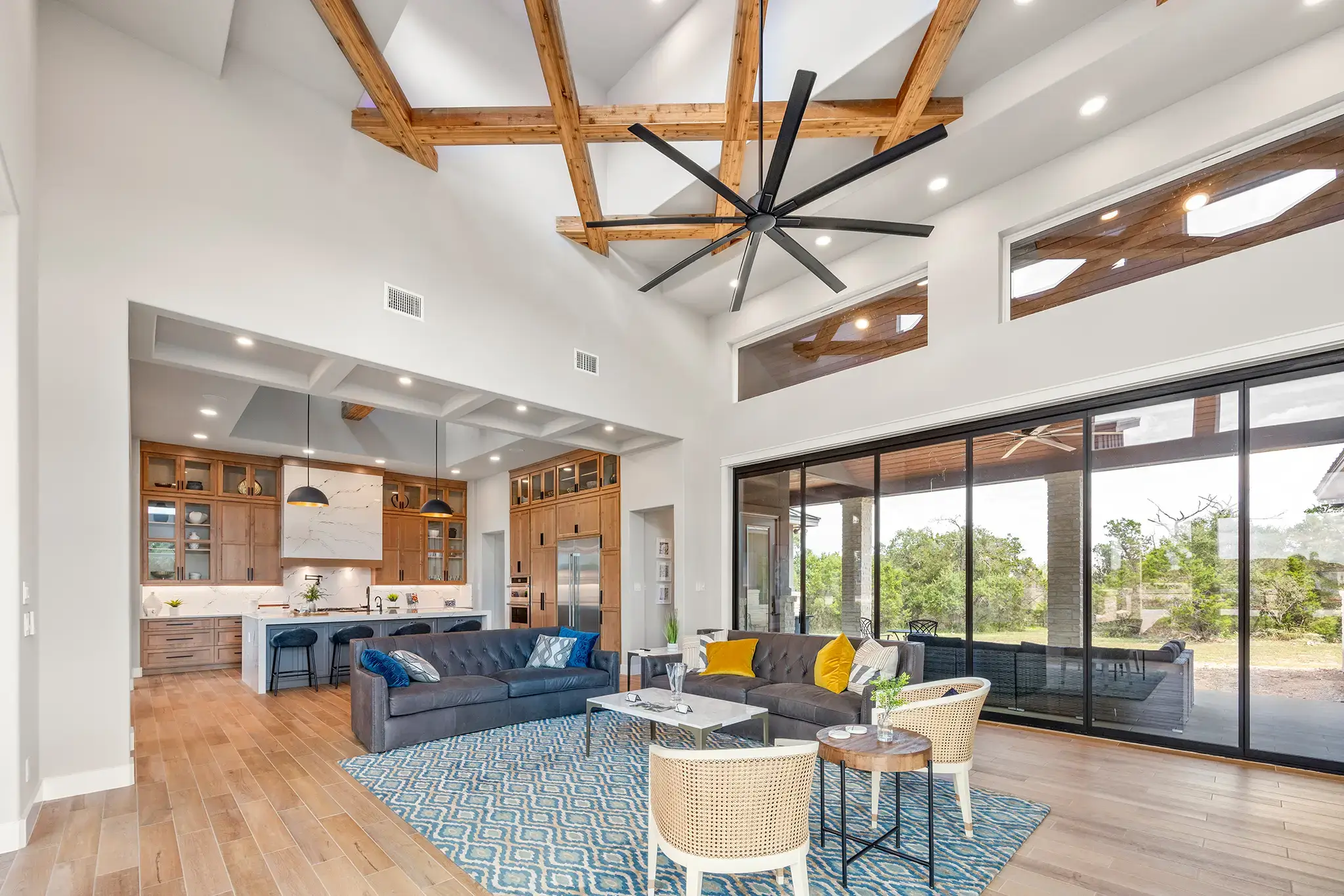
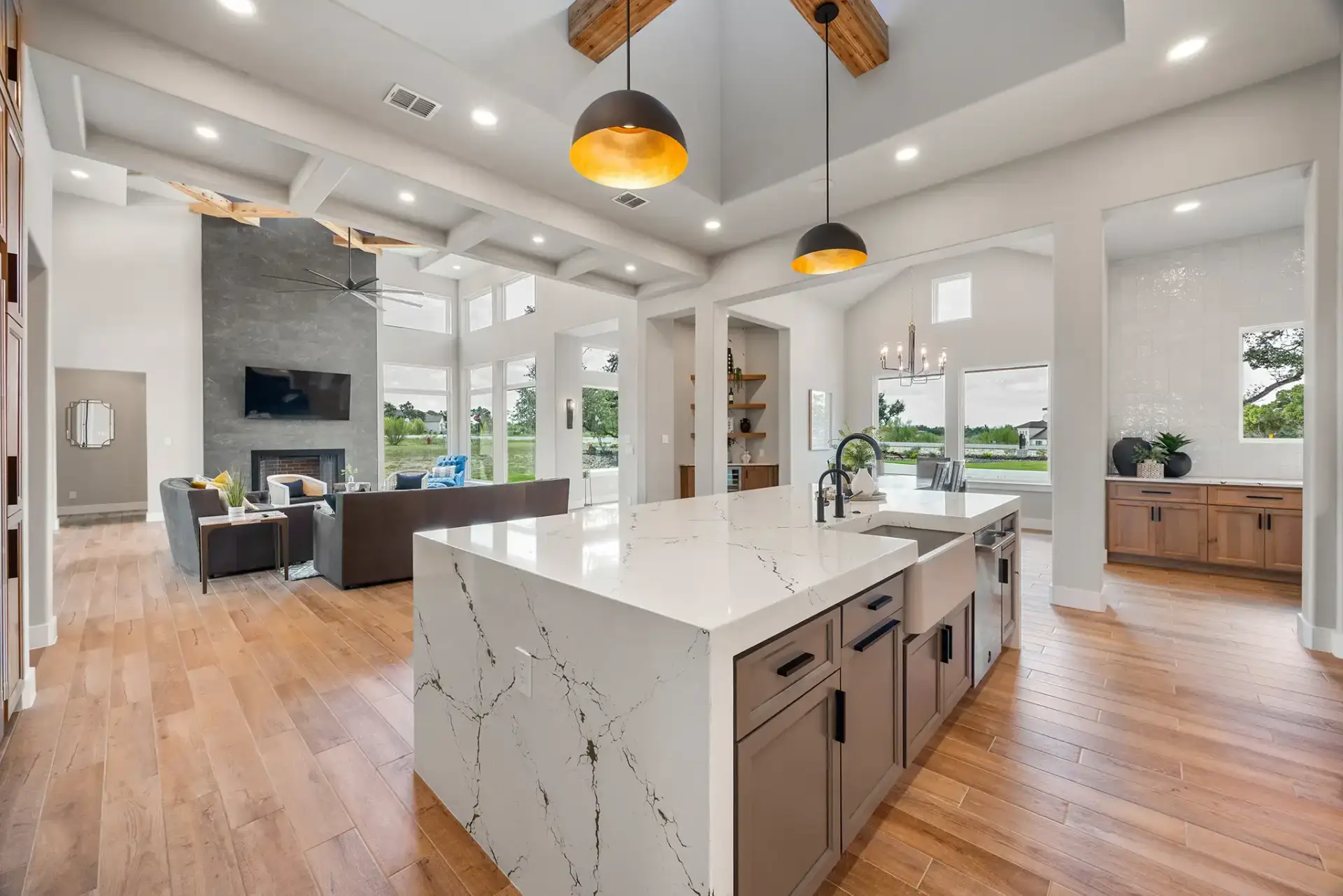
When analyzing kitchen cabinet stain colors on oak, modern architectural layouts demand a strategic play on contrast and scale. In a sprawling, double-height great room where the kitchen directly transitions into the living area, running the exact same wood tone across every single surface can cause visual fatigue. Premium stained white oak kitchen cabinets solve this problem by providing a soft, neutral, furniture-like backdrop that pairs elegantly with contrasting elements—such as a dark charcoal or slate-painted kitchen island, integrated natural stone hood wraps, and polished brass architectural hardware.
Avoiding Spatial Visual Fatigue: Top Oak Kitchen Cabinet Stain Colors
To make great kitchen islands and perimeter built-ins stand out, smart developers utilize specific oak kitchen cabinet stain colors that accentuate the inherent beauty of the wood rather than masking it. Our factory-applied stains utilize micronized premium pigments that penetrate deeply into the oak fibers without muddying the cathedral arches or straight-line grain patterns. This ensures that even under direct natural sunlight from massive floor-to-ceiling windows, the wood grain retains its three-dimensional depth, an absolute hallmark of true luxury craftsmanship.
Factory-Direct Engineering: Overcoming the Regional Moisture and UV Challenges
Sourcing custom wood cabinetry from a premium Chinese factory requires deep engineering knowledge regarding climate fluctuations in the target market. A cabinet box built without proper moisture balancing will expand and warp when exposed to the humid summers of the American East Coast, or crack in the dry winters of inland Canada or Switzerland.
To guarantee absolute longevity, CustomCabinetryFactory.com utilizes advanced kiln-drying processes to stabilize the raw timber to an optimal moisture content of 6% to 8% specifically tailored for our primary export markets. Furthermore, every single one of our kitchen cabinet stain colors on oak finishes is reinforced with advanced anti-yellowing UV inhibitors within our dust-free automated spray lines. This prevents the strong sunlight common in regions like Southern California, Saudi Arabia, and Australia from changing the color of your luxury millwork over time.