
The Chromatic Leverage: Sourcing Strategic Shaker Cabinet Colors to Accelerate Premium Property Desirability
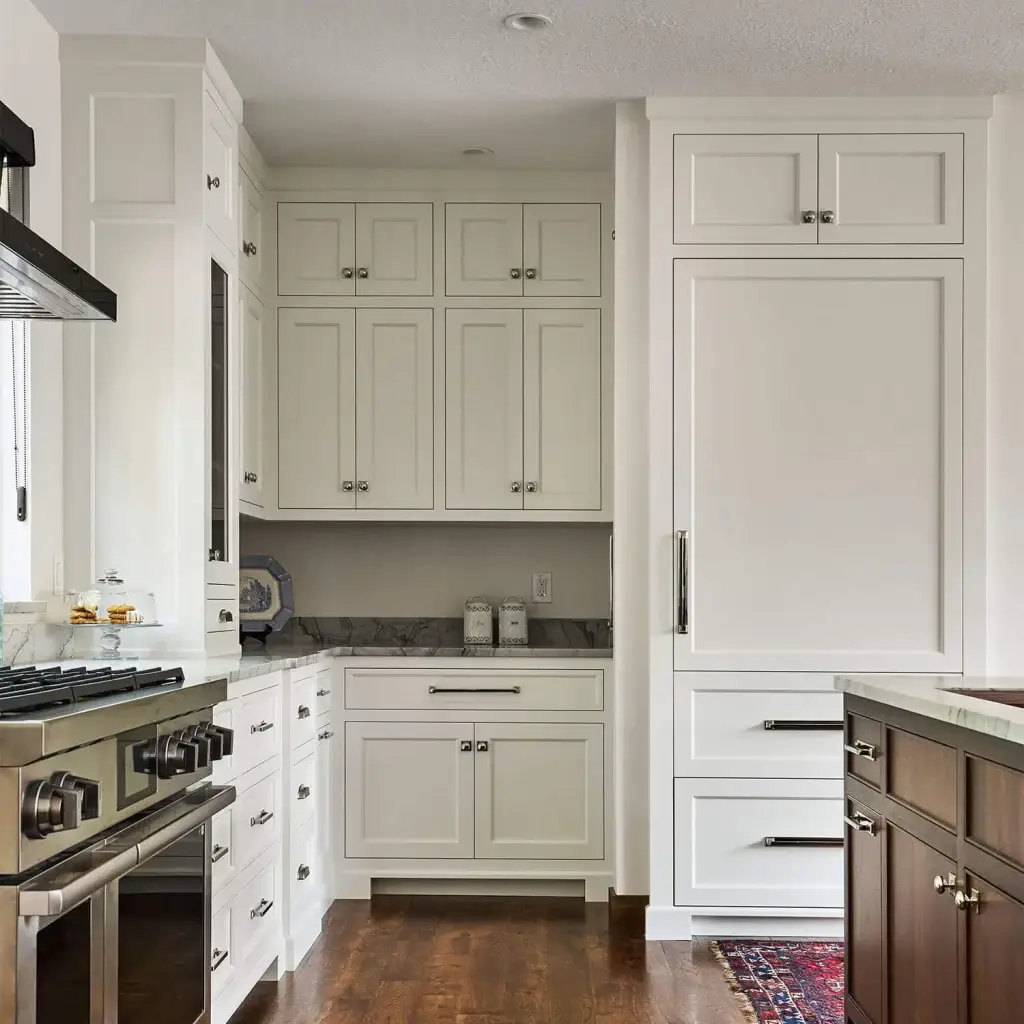
For high-end North American residential architects, general contractors, and speculative developers, interior finishing schedules are far more than aesthetic checklists—they are strategic exercises in financial risk management. Within the luxury real estate sector, the kitchen perimeter remains the primary battleground for securing peak appraisal values and driving immediate sales velocity. While the geometric silhouette of the classic five-piece Shaker door provides a universally respected structural foundation, the modern affluent buyer’s purchasing decision is increasingly triggered by an entirely different, highly sensitive psychological variable: the color execution. Sourcing and selecting the right palette within the modern ecosystem of shaker cabinet colors requires shifting from reactive, consumer-driven retail design trends to a proactive, highly analytical color staging methodology. This practice must balance fast market absorption with strict material engineering, ensuring that the visual first impression translates directly into real estate equity.
The primary friction in volume luxury building is no longer whether to specify a Shaker layout, but how to calibrate the exact hue, saturation, and Light Reflectance Value (LRV) to harmonize with the home’s architectural volume and localized geographic daylight conditions. A high-end palette that commands a major premium in a sun-drenched Miami penthouse will completely flatten property value and look depressing in a low-light Pacific Northwest modern custom build, where cool undertones are amplified by overcast skies. Furthermore, applying high-pigment custom cabinet finishes introduces distinct chemical challenges regarding surface coating longevity, mechanical chipping at the seams, and long-term resistance to skin lipids and household cleaning reagents. Sourcing high-performance cabinetry demands an elite manufacturing partner that can seamlessly integrate custom-formulated coating aesthetics with industrial-grade finish durability, thereby eliminating installation-phase surface failures, minimizing job-site touch-ups, and preventing subsequent warranty callbacks that destroy developer profit margins.
Slim Shaker vs Shaker Cabinets Specification and Selection Guide
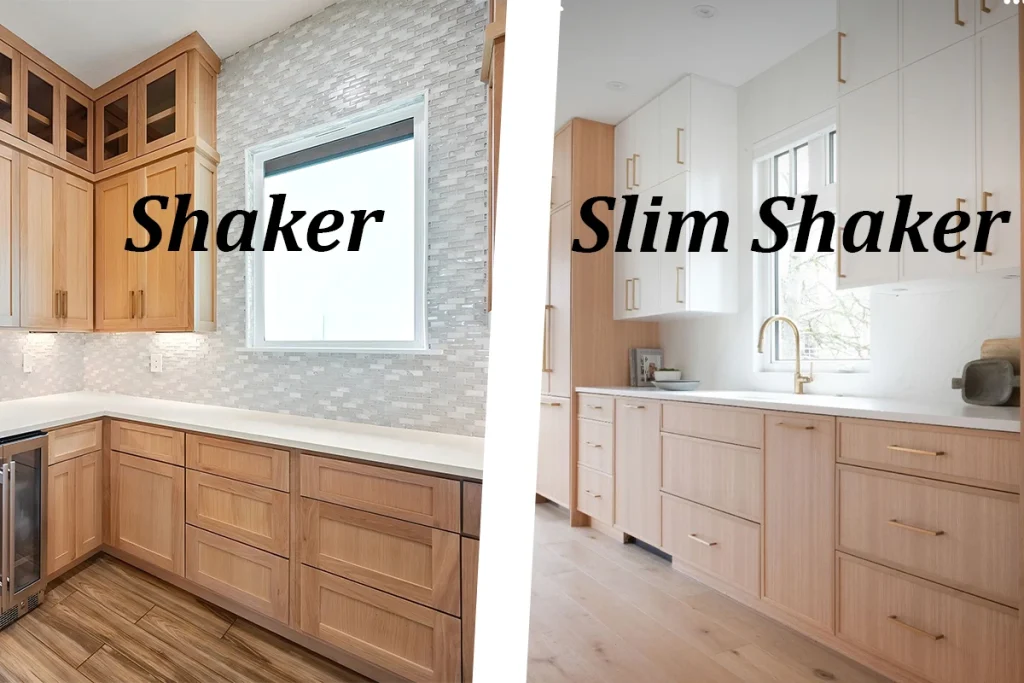
n modern North American luxury residential development, a subtle but significant architectural friction has emerged on the drawing boards of elite designers. For nearly three decades, the classic five-piece shaker style kitchen cabinet with its traditional 2.5-inch to 3-inch framing has served as the safe, reliable anchor for transitional American homes. It was the standard choice for home builders and general contractors looking to balance traditional charm with clean lines. However, today’s high-net-worth homebuyers are pushing back against these heavy profiles, viewing classic Shaker framing as too traditional, heavy, and visually dated.
This shift has led designers to modern flat slab doors, but that choice comes with its own aesthetic challenges. Completely flat, European-style slab doors can often feel stark, sterile, and cold in high-end spaces. In the worst cases, if executed poorly, they look like cheap multi-family apartment rentals rather than premium custom homes. This brings developers and designers to a critical creative crossroads: how to deliver a modern, minimalist kitchen without losing the organic warmth and architectural depth that affluent buyers demand.
The answer to this visual challenge is the slim shaker profile. By reducing the outer framing down to a delicate micro-border, this profile bridges the gap between classic craftsmanship and clean minimalism. As an established global manufacturer with 18 years of high-end custom millwork experience, three specialized factories, and over 11,500 successfully completed projects, ALLAND has created this detailed guide. This technical analysis explores the balance of visual proportions, style longevity, and design choices to help you successfully specify a premium kitchen with shaker cabinets or a modern micro-profile layout.
Plywood vs. MDF: Which is Better for Kitchen Cabinets?
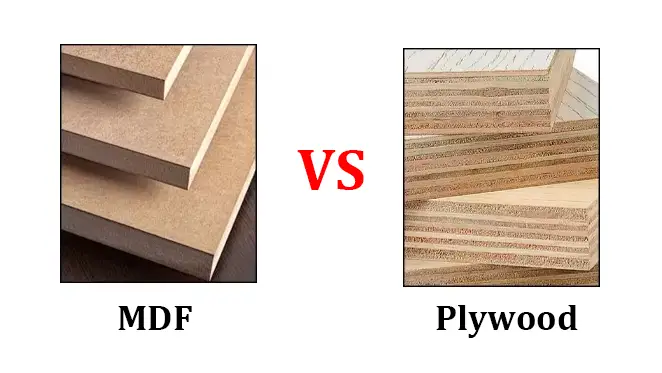
When you customize kitchen cabinets for high-end residential projects, the material choice is the single most important factor determining the project’s success. For industry professionals, the debate over plywood vs mdf kitchen cabinets isn’t about which is “cheaper”—it’s about structural integrity and the impact of material quality on kitchen cabinet lifespan.
In the North American market, high-performance cabinetry relies on a strategic selection of materials. Here is a professional breakdown of why the “Hybrid Strategy” is the gold standard for durable kitchen cabinets.